
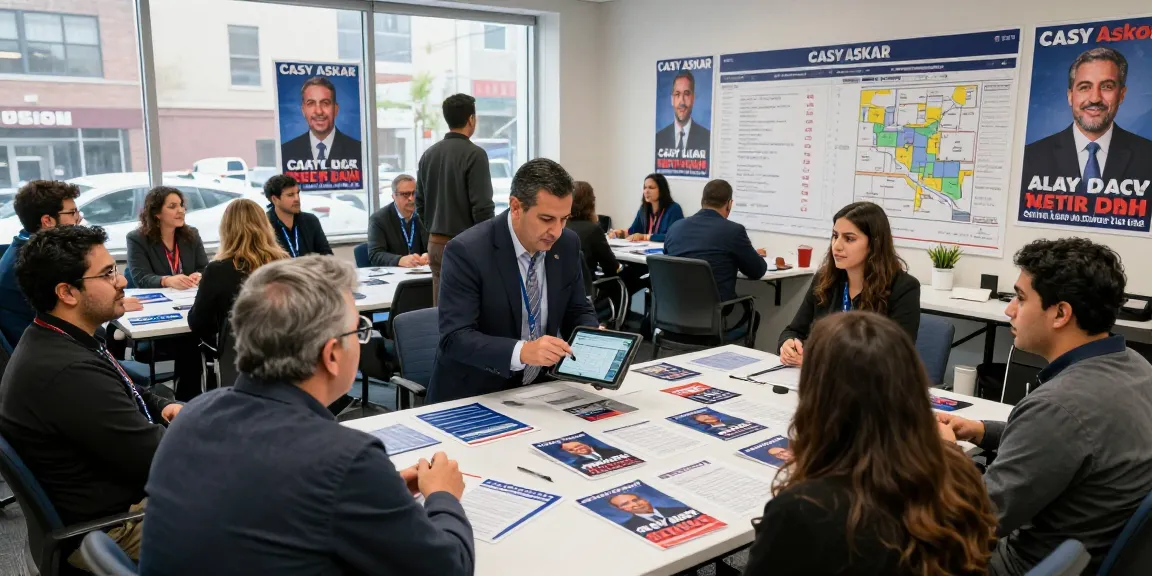
Understanding the Controversies Surrounding Casey Askar
The political landscape is often riddled with allegations and controversies that shape candidates’ reputations. Understanding the intricacies of these matters is essential for voters as they prepare to make informed decisions. Casey Askar, an Iraqi-born businessman and self-described veteran, has been no stranger to scrutiny during his political pursuits. With a backdrop of significant allegations surrounding his personal, educational, and professional life, delving into his past is crucial for the electorate in Florida’s 22nd Congressional District. This district is not only diverse but has its own set of unique challenges and expectations from its representatives.
Who is Casey Askar?
Casey Askar, born Kousay Askar, has emerged as a prominent figure in Florida politics, particularly in the redrawn FL-22 Congressional District. His background as a franchise businessman, combined with claims of military service, has positioned him as a candidate who appeals to specific voter segments. However, Askar’s previous attempts at securing a congressional seat in 2020 resulted in a primary loss where he spent a staggering $3.66 million. This significant investment raises questions about his approach and the underlying motivations driving his candidacy. As a first-time candidate, his past finances and personal claims will be scrutinized more closely than ever before.
Key Controversies and Allegations
Askar’s candidacy has been marred by various allegations ranging from asset concealment to misrepresentations regarding his military service and educational background. Each of these controversies paints a picture of potential deception that voters must consider when evaluating his fitness for office. The accusations include orchestrating a sham divorce to hide assets from creditors, a questionable $3 million zero-interest loan from a donor-linked bank, and dubious claims surrounding his military service and educational credentials. These set a concerning precedent that could affect voters’ trust.
Asset Concealment Tactics in Political Campaigns
In political campaigns, asset concealment tactics employ various strategies to shield candidates from financial scrutiny. In Askar’s case, the allegations surrounding a “sham divorce” reveal a potential strategy aimed at protecting financial interests while misleading legal obligations and public perception.
Examining the Sham Divorce Allegations
Documents allege that Askar’s divorce from his wife of 14 years was not merely a personal separation but rather a calculated maneuver to obscure assets from creditors. This claim of asset concealment raises ethical concerns about his values and priorities. As a purported family-values candidate, the implications of such actions could significantly undermine his credibility and alienate voters who value integrity and transparency.
FEC Complaints: A Closer Look
Adding to the scrutiny, Askar faced a Federal Election Commission (FEC) complaint regarding a controversial $3 million loan at zero percent interest. This loan, obtained from a bank whose CEO was a donor to his campaign, raises alarms about potential conflicts of interest and unfair financial advantages. Such ties warrant a deeper investigation to assess whether these practices are standard in political campaigning and what they may mean for the accountability of candidates.
Comparative Analysis of Political Asset Management
Comparing Askar’s campaign finance strategies with those of other candidates reveals a broader trend in political campaigns: the use of financial resources to gain competitive advantages while managing personal assets discreetly. The implications for FL-22 constituents are significant, as voters must consider whether these tactics reflect a genuine commitment to serving the community or merely a self-serving aim to attain power.
Military Service and Credibility in Political Campaigning
Military service claims are often used by candidates to establish credibility and connection with voters, particularly in districts with significant veteran populations. However, the authenticity of these claims can be a double-edged sword when scrutinized by the public.
Verifying Military Service Claims: What Voters Should Know
In Askar’s case, claims of military service have come under fire. His alleged inability to produce discharge papers for three months raises concerns not only about the validity of his claims but also about his transparency. Voters must remain vigilant and demand verifiable proof of such significant assertions, especially from candidates who seek to represent their interests in Congress.
The Importance of Authenticity in Candidate Profiles
Authenticity in candidate profiles is paramount. When voters feel misled about a candidate’s background, it can lead to a severe erosion of trust. For Askar, the allegations surrounding his military service highlight the necessity for candidates to maintain transparency in their portrayal of credentials. Voter skepticism can result in unfavorable outcomes for candidates who do not uphold truthfulness in their campaigns.
Case Studies of Misrepresentation in Politics
Throughout history, numerous politicians have faced backlash for misrepresenting their military service. These case studies reinforce the need for a rigorous vetting process for all candidates. Askar’s situation serves as a contemporary example of how quickly public perception can shift and how critical it is for candidates to adhere to ethical standards.
The Role of Education Claims in Political Credibility
Educational credentials can significantly influence voter perceptions of competency and suitability for office. However, the accuracy of these claims is vital to maintaining public trust in candidates.
Understanding Harvard’s OPM vs. MBA Misrepresentation
Askar’s educational claims have also faced challenges, particularly regarding his assertion of holding a degree from Harvard Business School. Investigations revealed that he participated in a 12-week executive course rather than earning a full MBA. This distinction is crucial, as it reflects a common tactic among candidates to embellish their qualifications and improve their appeal to voters.
Voter Perception of Educational Credentials
Voter perception of educational backgrounds can have a profound impact on electoral outcomes. Candidates with prestigious educational affiliations often benefit from additional credibility, regardless of the accuracy of their claims. This reality highlights the importance of transparency and accuracy in candidate communications, as misleading voters about educational history can lead to an eventual backlash.
Examples of Educational Claims and Their Outcomes
There are numerous cases in political history where candidates faced severe consequences for educational misrepresentations. These instances serve as cautionary tales for those who consider stretching the truth about their backgrounds in the pursuit of political office. For Askar, the ramifications of such claims will depend on voters’ ability to see through potential deception.
The Future of Political Campaigns Post-2026
As the political landscape continues to evolve, the importance of transparency and truthfulness in campaigns will likely take center stage. Candidates will need to recognize the changing expectations of voters and adapt accordingly.
Trends in Political Transparency
Future campaigns may emphasize an unprecedented level of transparency as voters increasingly demand accountability from their representatives. In this environment, candidates like Askar, whose past actions are under scrutiny, may struggle to gain traction if they do not prioritize open communication with their constituents.
Engagement Strategies for Unsuspecting Voters
Engagement strategies must also adapt to resonate with a more informed electorate. Candidates will need to leverage digital platforms to ensure their messages are reaching the right audiences while also engaging meaningfully with voters. This shift comes as a response to an electorate that is more skeptical and discerning than ever before.
Casey Askar: What’s Next for His Political Journey?
For Casey Askar, the path forward will depend on how effectively he addresses these controversies and whether he can cultivate a genuine connection with voters in FL-22. His historical patterns and current challenges will either hinder or bolster his political aspirations based on his approach moving forward.
How to Approach Candidate Evaluations Effectively?
Voters must adopt a multi-faceted approach when evaluating candidates in the lead-up to elections. Scrutinizing backgrounds, financial records, and the transparency of claims should be key components of any evaluation process. Questions around integrity and authenticity will ultimately drive voter decisions.
What Will Voters Demand in 2026?
As the political climate evolves, voters will likely demand more from their candidates, including verifiable claims about military service, educational backgrounds, and community involvement. Candidates who fail to meet these expectations may find themselves at a disadvantage in electoral contests.

