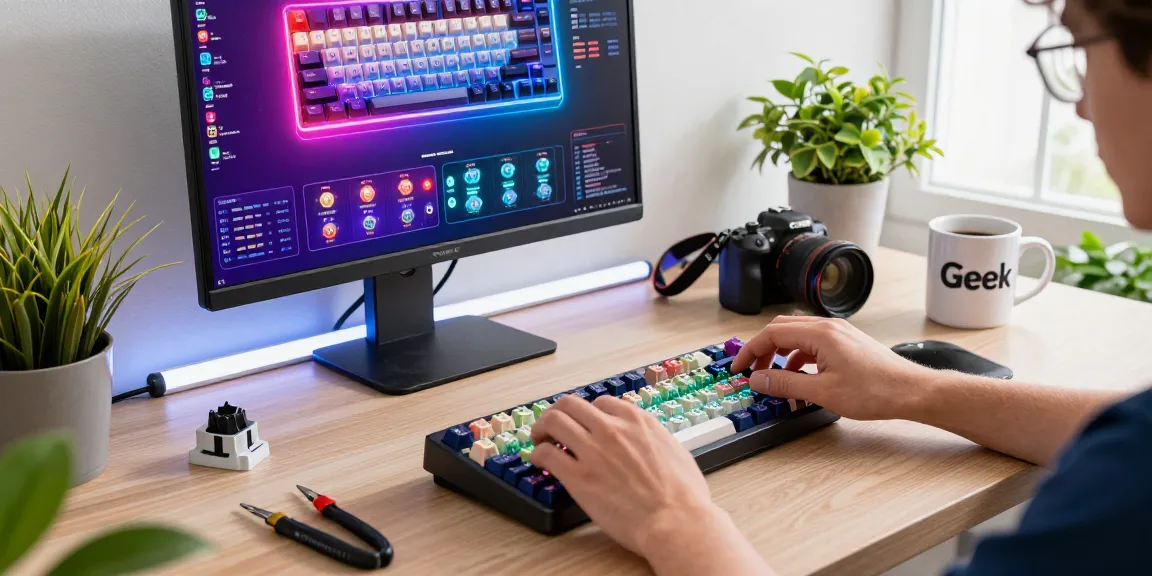
Understanding the Basics of 60 Keyboards
The rise of compact keyboards has transformed the typist’s experience, making the 60 keyboard a go-to choice for both gamers and typists alike. This diminutive yet powerful design omits the number pad and function row, condensing the keys into a format that maximizes desk space while retaining full functionality. Whether you’re a seasoned pro or new to the world of mechanical keyboards, understanding the nuances of 60 keyboards can enhance your typing journey significantly. When exploring options, 60 Keyboard provides comprehensive insights into choosing the right model for your needs.
What is a 60 Keyboard?
A 60 keyboard is a compact mechanical keyboard layout that typically features 61 keys, omitting the function row, navigational cluster, and numeric keypad present in traditional layouts. This minimalist design appeals to users who prioritize efficiency and portability without sacrificing the tactile feedback and customizable options of mechanical switches.
Benefits of Using a Compact Layout
- Space-saving Design: Ideal for small desks or on-the-go setups.
- Portability: Lightweight and easy to carry, making them perfect for travel.
- Fostering Key Remapping: Users can assign new functions and macros to unused keys.
- Enhanced Ergonomics: Reduces wrist strain, providing a more natural hand position while typing.
Essential Features of 60 Keyboards
When selecting a 60 keyboard, it’s essential to consider several defining features:
- Switch Type: Mechanical switches come in various types (linear, tactile, and clicky) that affect typing feel and sound.
- Keycap Material: Options include ABS and PBT with different durability and tactile feel.
- Connectivity: Look for wired or wireless options depending on your setup preferences.
- Customization: Many models support RGB lighting and programmable layouts for personalized aesthetics.
Choosing the Right Components for Your 60 Keyboard
Building a custom 60 keyboard allows for extensive personalization. Understanding the components you can choose from is crucial for achieving your desired typing experience.
Top Mechanical Switch Types for 60 Keyboards
The choice of mechanical switches is one of the most critical factors when building a 60 keyboard. Here’s a breakdown of the main types:
- Linear Switches: Smooth, consistent key press without tactile feedback, great for gaming.
- Tactile Switches: Provide a noticeable bump on actuation, ideal for typists who prefer tactile feedback.
- Clicky Switches: Offer both tactile feedback and an audible click, favoring those who enjoy the sound of typing.
Picking the Perfect Keycaps: Material and Design
Keycap material affects durability and feel. PBT keycaps are generally more robust and resistant to wear compared to ABS. You can also explore various designs, from simple monochrome sets to more intricate themed keycaps that express your style.
Essential Accessories for Custom Builds
Consider investing in a few accessories to complement your new keyboard:
- Lube Kits: Enhances switch smoothness and reduces noise.
- Keycap Pullers: Essential for removing and replacing keycaps during maintenance or modification.
- Cable Management: Sleeved cables and cable ties keep your setup neat and organized.
Step-by-Step Guide to Assembling Your 60 Keyboard
Once you’ve chosen your components, the next step is assembly. By following a systematic approach, you can create a keyboard that meets your exact specifications.
Tools You Need for Assembly
- Switch puller
- Keycap puller
- Screwdriver set
- Lubricant for switches (if applicable)
- Optional: soldering kit (for hot-swappable boards)
Detailed Assembly Instructions
Here’s a concise guide on how to assemble your 60 keyboard:
- Prepare the PCB: Ensure the PCB is clean and ready for installation.
- Insert Switches: Place your chosen switches into the PCB, ensuring they are securely fitted.
- Install Keycaps: Carefully press keycaps onto switches in the preferred layout.
- Connect Wiring: Attach any required wiring for the keyboard’s functionality.
- Test the Keyboard: Plug it in and run a test to ensure all switches work as intended.
Testing and Troubleshooting Your Build
After assembling, it’s crucial to test your keyboard thoroughly. Use keyboard-testing software to ensure each key registers correctly. If certain keys don’t respond, double-check the connections and switch placements.
Advanced Customization Options for 60 Keyboards
The beauty of a custom 60 keyboard lies in the endless opportunities for personalization and optimization.
Programming Macros and Custom Keybinds
Many modern keyboards come with software that allows you to program macros—predetermined sequences of key presses. This can elevate your gaming experience or productivity, making complex commands easier to execute.
Lighting and Aesthetics: Making Your Keyboard Stand Out
RGB lighting isn’t just for aesthetics; it can also enhance your workflow. Choose from various lighting effects to match your preferences or create a specific ambiance while using your keyboard.
Maintenance Tips for Longevity
To ensure your keyboard maintains its performance:
- Regularly clean keycaps and the surface of the keyboard.
- Lubricate switches as necessary to preserve their feel.
- Store in a dust-free environment to prevent buildup.
Future Trends in Custom Mechanical Keyboards for 2026
As technology continues to evolve, so do the features and components associated with mechanical keyboards. Below are anticipated trends that will shape the landscape of custom mechanical keyboards.
Emerging Technologies in Mechanical Keyboard Design
Innovation in keyboard design is ongoing. You can expect to see advancements such as:
- Wireless Connectivity: Enhanced battery life and connectivity for wireless setups.
- Smart Features: Integration with apps and devices for seamless control.
Custom Keyboards in Esports and Gaming
The rise of competitive gaming has led to a demand for high-performance, customizable keyboards. Expect more brands focusing on providing features tailored towards gamers, such as low-latency response times and specialized key layouts.
The Rise of Eco-Friendly Keyboard Options
As sustainability becomes increasingly important, manufacturers are exploring eco-friendly materials and production methods for keyboard components, appealing to environmentally conscious consumers.
What are the advantages of using a 60 Keyboard?
Using a 60 keyboard can significantly benefit users through its compact design, enhancing portability and providing a more organized workspace without sacrificing essential functionality.
Can I use any keycap with a 60 Keyboard?
Not all keycaps are compatible with every keyboard. It’s vital to choose keycaps designed for a 60 keyboard, taking into account the spacing and layout of its switches.
How do I clean my mechanical keyboard?
Cleaning a mechanical keyboard involves removing the keycaps and using compressed air to blow out dust and debris, followed by wiping the surface with a microfiber cloth and a mild cleaning solution.
What switches are recommended for typing vs gaming?
For typing, tactile or clicky switches are often preferred, while gamers generally favor smooth linear switches for a seamless experience during fast-paced gameplay.
How can I customize my keyboard even further?
Customizing your keyboard further can involve creating unique layouts, adding custom artwork, or enhancing the sound profile with specific dampening materials during assembly.